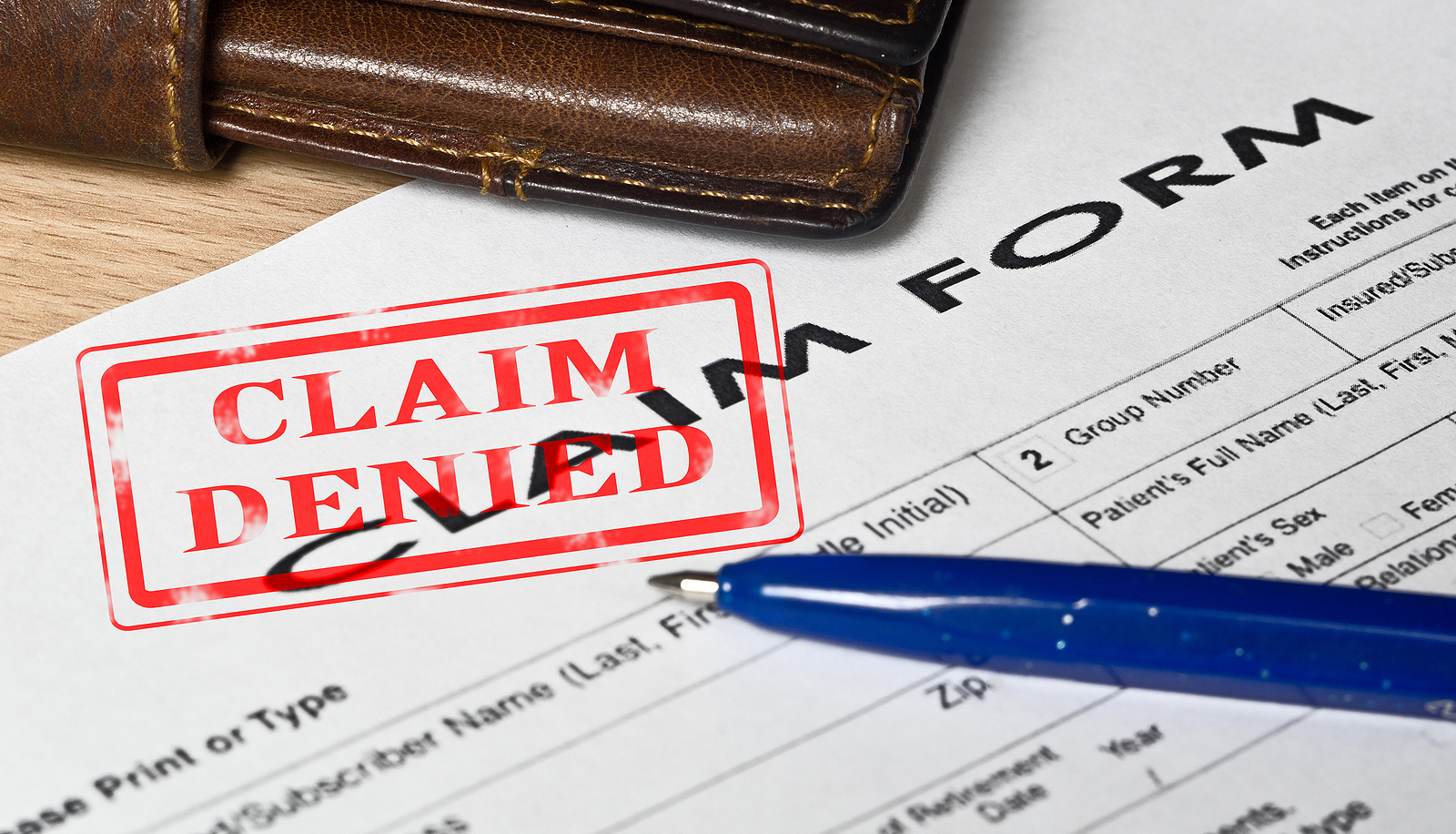
A denial from the Department of Veterans Affairs (VA) can feel like a setback, but it does not have to be the end of your claim. Many veterans receive disability benefits after appealing an unfavorable decision. The key is to understand why your claim was denied and choose the appeal option that fits your situation.
If you recently received a denial, you do not have to figure out the next steps alone. Before starting an appeal, you may also find it helpful to read our article, What to Do if Your Veterans Disability Claim is Denied, which explains the first steps to take after receiving a decision.
Why Does the VA Deny Disability Claims?
The VA denies claims for many reasons. Some applications lack enough medical evidence to show that a disability is connected to military service. Others are denied because service records are incomplete or the VA believes the available evidence does not support the claim.
In some cases, the issue is not a complete denial. The VA may approve the claim but assign a disability rating that is lower than the veteran expected. Because appeal options can differ depending on the decision, read your decision letter carefully before taking action.
What Are Your Appeal Options?
The VA offers three primary ways to challenge a decision. Each option serves a different purpose, and selecting the right one depends on why your claim was denied.
What Is a Supplemental Claim?
A Supplemental Claim allows you to submit new and relevant evidence that was not part of your original application.
This option may be appropriate if you recently obtained medical records, service records, or other documentation that supports your claim. For many veterans, stronger evidence can change the outcome.
Medical opinions often play a large role in Supplemental Claims. A nexus letter, for example, may explain how your current condition is connected to your military service. You can learn more about this type of evidence in our article, The Role of Nexus Letters in Veterans Disability Cases.
What Is a Higher-Level Review?
A Higher-Level Review asks a more experienced VA reviewer to examine your claim.
Unlike a Supplemental Claim, you cannot submit new evidence during this review. Instead, the reviewer looks at the existing record to determine whether the original decision contained an error.
This option may be appropriate if you believe the VA overlooked evidence that was already in your file or applied the law incorrectly.
When Should You Appeal to the Board of Veterans’ Appeals?
If you disagree with the VA’s decision after considering your other options, you may appeal to the Board of Veterans’ Appeals.
Depending on your case, you may request a review based on the existing record, submit additional evidence, or appear before a Veterans Law Judge during a hearing.
Board appeals often take longer than the other review options, but they may be the right choice for more complex claims.
How Can You Build a Stronger Appeal?
The strength of your evidence often affects the outcome of an appeal.
Updated medical records can document how your condition has changed over time. Military records may confirm injuries, illnesses, or exposures that occurred during your service. Statements from family members, friends, or fellow service members can also support your claim by describing what they have personally observed.
The goal is to provide clear evidence that addresses the reason your original claim was denied.
How Long Do You Have to File an Appeal?
In most cases, veterans have one year from the date on the VA decision letter to request another review. This time gives you extra time to gather the information you need to support your claim and appeal.
Waiting too long can affect your rights. You may have to restart the claims process. Starting early also gives you more time to collect medical records and supporting documents before filing your appeal.
Should You Hire a VA Disability Attorney for an Appeal?
Although veterans may represent themselves during the appeals process, many choose to work with an attorney after receiving a denial.
An attorney can review your decision letter, identify weaknesses in the original claim, gather additional evidence, and recommend the appeal option that best fits your circumstances. Legal guidance can also help avoid paperwork errors and missed deadlines.
If you are deciding whether legal representation is right for you, our article, Is It Worth Getting An Attorney For VA Disability? explains how an attorney may help during both claims and appeals.
What Happens If Your Appeal Is Successful?
If your appeal is approved, the VA may award disability compensation based on your disability rating.
You may also receive back pay if the VA determines that benefits should have started earlier. The amount depends on the facts of your claim and the effective date the VA assigns. The earlier your effective date, the more back pay you could receive.
A successful appeal can also result in a higher disability rating, which may increase your monthly compensation.
How Can Herren Law Help With Your Appeal?
Appealing a denied VA disability claim can be challenging, especially if the reason for the denial is unclear or your case involves several medical conditions.
The attorneys at Herren Law help veterans review VA decisions, gather supporting evidence, and prepare appeals that clearly address the issues the VA raised. If your claim has been denied, speaking with an experienced attorney can help you understand your options and decide on the next step.
Contact Herren Law today to schedule your consultation to discuss your claim. We’ve helped over 6,000 individuals get their benefits, and we’re ready to help you.