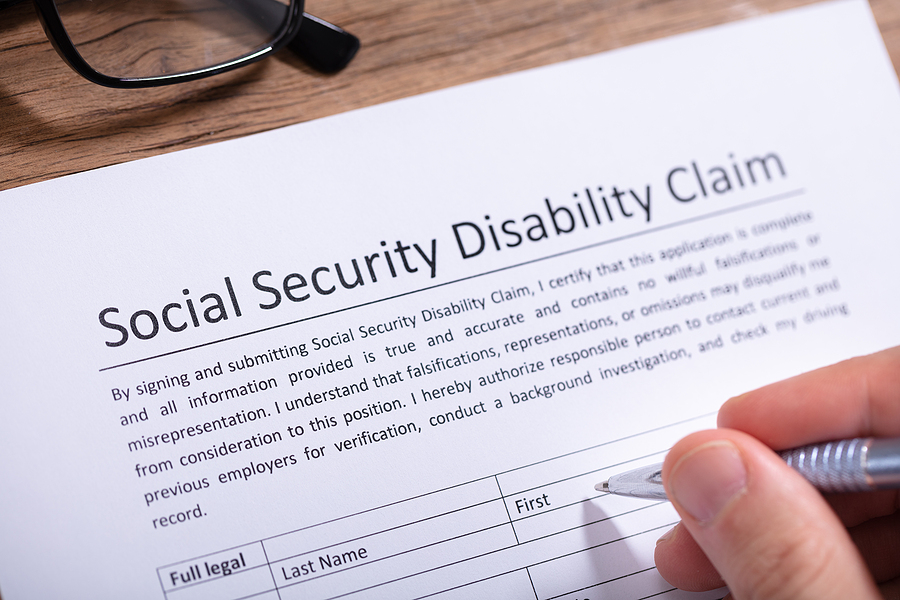
Applying for Social Security Disability Insurance (SSDI) benefits is a long, complex process. Many applicants wait months for a decision while dealing with serious medical conditions that make it impossible to work. For people facing certain severe illnesses, the Social Security Administration (SSA) offers a way to speed up the review process through the Compassionate Allowances program.
While the program can shorten the wait for some applicants, it does not automatically approve every claim. Understanding how Compassionate Allowances works can help you know what to expect and how to prepare your application.
What Is the Compassionate Allowances Program?
The Compassionate Allowances program allows the Social Security Administration to identify medical conditions that almost always meet its definition of disability. Instead of following the standard review timeline, claims involving these conditions receive expedited processing.
The goal is to provide faster decisions for people whose medical conditions are so severe that there is little question about whether they qualify under Social Security’s disability rules.
Compassionate Allowances applies to both adults and children. The program includes many forms of aggressive cancer, rare genetic disorders, advanced neurological diseases, and other serious medical conditions.
Receiving faster review can make a meaningful difference for individuals and families who need financial support while coping with life-changing illnesses.
Who Qualifies for Compassionate Allowances?
The Compassionate Allowances program includes hundreds of medical conditions. The Social Security Administration regularly updates the list as medical knowledge and diagnostic standards change.
Many qualifying conditions involve aggressive cancers that have spread or are difficult to treat. Others include neurological disorders such as amyotrophic lateral sclerosis (ALS), certain early-onset dementias, and rare childhood diseases. Some organ disorders, immune system conditions, and genetic disorders may also qualify.
A diagnosis alone does not automatically place someone in the program. The Social Security Administration reviews the medical evidence submitted with each application to determine whether the condition matches one of the listed diagnoses.
Providing complete medical documentation helps the agency identify eligible claims as quickly as possible.
Does a Compassionate Allowance Guarantee SSDI Benefits?
A Compassionate Allowance can speed up the review process, but it does not guarantee approval.
Applicants must still meet the basic eligibility requirements for Social Security Disability Insurance. For most people, this means having enough work credits through employment covered by Social Security taxes and showing that the medical condition prevents substantial work activity.
The Social Security Administration must also verify the medical diagnosis and review supporting records before issuing a decision.
If important information is missing from the application, even an expedited claim may experience delays while additional evidence is gathered.
How Can You Improve Your SSDI Application?
Strong medical evidence remains one of the most important parts of every disability claim.
Hospital records, physician notes, imaging studies, laboratory results, pathology reports, and treatment records all help document the severity of your condition. These records also help confirm that your diagnosis matches one of the conditions included in the Compassionate Allowances program.
Submitting complete information when filing your application may reduce delays caused by requests for additional documentation.
It is also helpful to make sure every section of the application is complete and accurate. Missing information about your work history, medical providers, or treatment dates can slow the review process.
What Happens If Your Claim Is Denied?
Although many Compassionate Allowances claims receive faster approval, some applications are still denied. Many times, they are denied for the same reasons as any other claim.
A denial may occur because the Social Security Administration needs additional medical evidence, questions whether the condition meets program requirements, or determines that the applicant does not meet other SSDI eligibility rules.
Receiving a denial does not always mean you have reached the end of the process. Many applicants have the right to appeal and submit additional evidence supporting their claim. It’s important to read every letter you receive from Social Security and understand the dates and deadlines involved in your claim.
Understanding why your application was denied can help you prepare a stronger appeal. Begin your appeal immediately to avoid missing deadlines. Otherwise, you could lose your right to appeal your claim.
How Can Herren Law Help?
Applying for Social Security Disability Insurance benefits can feel overwhelming, especially while dealing with a serious medical condition. Even claims that qualify for expedited review require complete documentation and careful attention to Social Security’s eligibility requirements.
At Herren Law, we help individuals prepare SSDI applications, gather supporting medical evidence, and handle appeals when claims are denied. Whether you believe your condition qualifies under the Compassionate Allowances program or you have questions about the disability claims process, experienced legal guidance can help you understand your options.
If you are applying for Social Security Disability Insurance benefits or appealing a denied claim, contact Herren Law today to schedule your consultation. Our experienced disability attorney can review your situation, answer your questions, and help you pursue the benefits you may be entitled to receive.