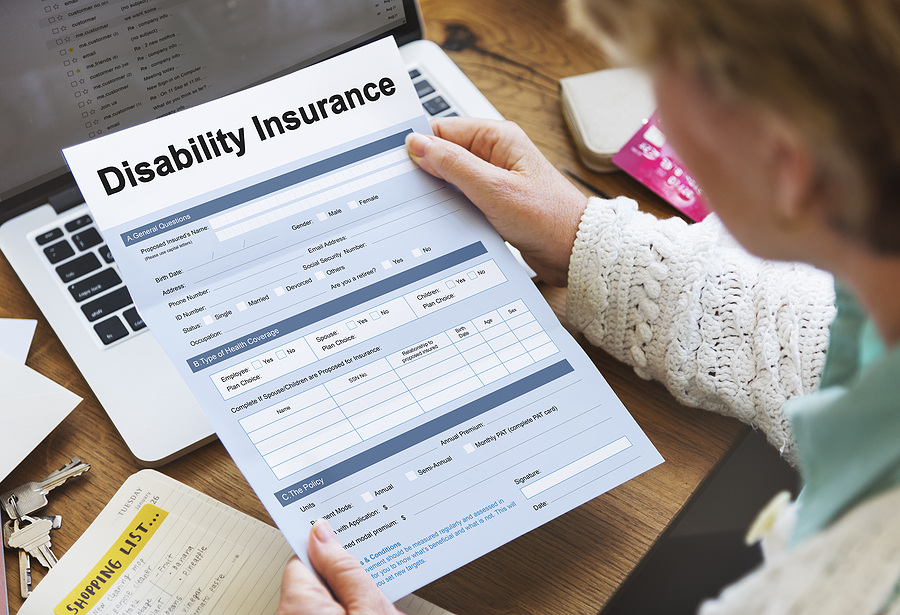
Filing a disability claim with the Department of Veterans Affairs can feel confusing and stressful. Many veterans are unsure where to begin, what forms to complete, or how to prove their condition is related to their military service. The Veteran Service Officer (VSO) can play an essential role in assisting veterans with their VA disability application.
A VSO has training to help veterans and their families navigate the VA claims process. They offer guidance, support, and hands-on help from start to finish. Understanding how a VSO works can help you decide if this type of support is right for your situation.
What Is a Veteran Service Officer?
A Veteran Service Officer is usually employed by a veterans service organization (VSO), such as the Disabled American Veterans (DAV), a state or county veterans office, or another accredited group recognized by the VA. Their role is to educate veterans and eligible dependents about available VA and state benefits and assist them in actually securing those benefits.
VSOs receive training in VA laws, regulations, and terminology. Many VSOs are veterans themselves with a practical understanding of how service and medical issues connect to VA benefits. They must be accredited by VA or an approved organization to represent you officially in your claim and to access your VA file once you sign the appropriate authorization forms.
Services from a VSO are free. Unlike some representatives or attorneys, they do not charge a fee to help you file an initial claim or for many other subsequent actions. Because they handle VA claims daily, they can spot common mistakes, missing documents, and strategic issues that might delay or reduce your benefits.
How a VSO Helps Before You File
A VSO’s support often starts well before the claim is submitted, during the planning and evidence-gathering stage. This early work can make the difference between a smooth claim and one that stalls due to incomplete or unclear information.
Here are ways a VSO assists before filing:
- Identifying potential benefits: VSOs help you understand which VA benefits you may qualify for, including disability compensation, pension, education, health care, home loan guaranty, and survivor benefits.
- Reviewing your service and medical history: They examine your military records and current medical documentation to identify all conditions that may be service-connected, including secondary conditions that develop from an existing disability.
- Explaining what you must prove: A VSO walks you through what VA looks for, such as evidence of a current disability, an in-service event or illness, and a “nexus” (connection) between the two.
- Gather evidence: A VSO can help you collect service treatment records, personnel records, VA and private medical records, and lay statements from family, friends, or fellow service members.
- Advising on claim strategy: VSOs can suggest whether to file a standard claim or a Fully Developed Claim (FDC), where you submit all evidence up front to help VA make a faster decision.
This upfront guidance reduces the risk of submitting an incomplete or poorly documented claim that can lead to decision delays or a low rating.
How a VSO Helps You File the VA Claim
When it is time to file, a VSO can be your hands-on partner with the paperwork and submission process. VA forms can be confusing, and small mistakes can slow down your claim. Leaving a field blank or using an incorrect form can delay your claim for months if you don’t act immediately addres
A VSO can help with filing, including:
- Completing VA forms: VSOs can help prepare and complete forms such as VA Form 21-526EZ (Application for Disability Compensation) and related documents, ensuring they are accurate and complete.
- Power of attorney/representation: They will ask you to sign VA Form 21-22, appointing a VSO organization as your representative to receive information from the VA and act on your behalf.
- Organizing and submitting evidence: A VSO helps assemble your evidence package in a logical, easy-to-follow manner, which can help VA reviewers work through your claim more efficiently.
- Drafting supporting statements: While VSOs are not attorneys, they can assist with written statements that clearly explain how your conditions affect your daily life and your ability to work.
- Filing the claim electronically or by mail: They can submit the claim through VA’s online systems or other approved channels and confirm receipt by VA.
Many VSOs have offices inside VA facilities or in local government buildings, which makes communication with VA staff and access to records more efficient. Because they have a working knowledge of the VA’s system, they help you avoid incomplete forms, missing signatures, and other common issues that can cause preventable delays.
Support During the VA Decision Process
After filing your claim, the process can take months. It’s common to feel uncertain about what is happening behind the scenes. A VSO does not control VA’s timelines, but they can monitor your claim’s status and help you respond quickly when VA asks for more information.
During this stage, VSOs typically:
- Track your claim in the system: Since a VSO is your accredited representative, they can check the status and current stage of your claim.
- Explain VA notices and letters: If VA sends a letter requesting evidence or scheduling a Compensation & Pension (C&P) exam, your VSO can explain what it means and what you need to do.
- Help you respond to VA requests: If the VA issues a development letter requesting additional information, a VSO helps gather and submit the requested records or statements before the deadline.
- Prepare you for C&P exams: They can explain the purpose of the exam, what to expect, and how to communicate the full impact of your symptoms without exaggerating or minimizing them.
- Keep you informed: VSOs can provide updates so you are not left guessing whether VA is working on your claim.
This ongoing support can make it easier to stay on top of your claim, especially if you manage multiple medical conditions or have difficulty tracking paperwork and deadlines on your own.
Help with Denials, Appeals, and Additional Benefits
If the VA denies your claim or assigns a lower rating than you believe is appropriate, a VSO remains an important ally. The modern VA appeals system can be complex, with different review options and deadlines, and a VSO helps you choose the best path forward.
Once you receive an initial decision, a VSO continues their assistance by:
- Reviewing the decision: They help you read through VA rating decisions and identify why the claim was denied or rated at a certain percentage.
- Explaining appeal options: A VSO can explain options like filing a Supplemental Claim (with new and relevant evidence) or requesting a higher-level review.
- Preparing appeals: A VSO can help assemble additional evidence, request new medical opinions if needed, and complete the correct appeal forms within the required time frames.
- Representing you in communications: As your accredited representative, the VSO can communicate with VA about your appeal, respond to VA letters, and keep you informed as the appeal progresses.
- Identifying additional benefits: During this process, they may also identify whether you qualify for other programs, such as vocational rehabilitation, pensions, or survivor benefits for eligible dependents.
VSOs and some veteran organizations may also assist with related matters such as discharge upgrades, boards for correction of military records, or state-level veterans benefits, depending on their specific office. While serious or complex appeals may warrant working with an attorney, VSOs often remain a central point of contact even when lawyers are involved.
Should You Use a VSO for Your VA Claim?
For most veterans, partnering with a VSO offers strong advantages when filing a VA claim or appeal. Their services are free, they understand how to navigate the VA’s system, and they can help you avoid delays caused by incomplete or incorrect filings.
Key reasons to consider working with a VSO include:
- No-cost assistance: Accredited VSO representatives provide their services without charging you fees for your benefit claim.
- Knowledge of VA rules: They understand the evidence VA expects for different conditions and how to present it clearly and persuasively.
- Reduced stress and confusion: VSOs handle much of the paperwork, track deadlines, and help you make sense of VA’s letters and decisions.
- Support at every stage: From initial claim through appeals and additional benefits, they remain available as a long-term resource for you and your family.
If you are a veteran considering a disability claim or appeal, reaching out to a local VSO or veterans service organization can be an important first step in protecting your rights and maximizing the benefits you have earned through your service.
A Veterans Service Officer (VSO) and a VA-accredited attorney can both help with VA disability claims. But they differ in training, scope of help, cost, and functionality.
Big-Picture Difference
While both can help, there are distinct differences between the VSO and the VA-accredited attorney:
- A VSO is a trained, accredited non-attorney representative who helps you file and manage claims for free, mainly at the administrative/claims level.
- VSOs are accredited through VA or recognized organizations (like American Legion, DAV, VFW, or state/county offices) and complete benefits-law training. However, VSOs are not lawyers and therefore are not regulated by state bar associations.
- A VA-accredited attorney is a licensed lawyer who treats your case as a legal matter, focuses heavily on appeals and complex issues, and can charge regulated fees after an initial VA decision.
- VA-accredited attorneys are licensed by at least one state bar, must follow strict ethical and professional rules, and are also subject to VA accreditation standards and oversight by VA’s Office of General Counsel.
Scope of help and strategy
- VSOs typically:
- Help you understand the benefits and options.
- Prepare and file initial claims and supporting forms.
- Gather basic medical and service records.
- Track claim status and respond to routine VA letters.
- Assist with simpler reviews or supplemental claims.
- VA-accredited attorneys typically:
- Focus on denials, low ratings, and appeals, such as Higher-Level Review, Supplemental Claims with complex evidence, Board of Veterans’ Appeals, and sometimes federal court.
- Analyze the record for legal errors, missing issues, or incorrect application of VA laws and case law.
- Work with independent medical and vocational experts, obtain nexus opinions, and craft detailed legal arguments.
- Develop an overall litigation strategy, including challenging bad C&P exams or adverse credibility findings.
Cost and when they can charge
Costs are another factor in a VA disability application.
- VSOs:
- Provide services at no cost to the veteran or family.
- They are often the best fit for straightforward initial claims where the evidence is relatively clear.
- VA-accredited attorneys:
- Generally, they cannot charge for assistance with the initial filing of a claim.
- Can charge a fee for work after VA has issued a decision, typically at the appeal/decision review stage. The fee is usually contingency-based on the amount of back pay a veteran receives.
- VA regulates fees. They must be reasonable and tied to past-due benefits.
Caseload, access, and level of attention
- VSOs:
- Often carry very large caseloads, sometimes hundreds of files at once.
- May have offices inside or near VA Regional Offices, which can improve access but also means they share space and resources with VA.
- Because of the increased workload, they may have limited time to develop complex or contested cases.
- VA-accredited attorneys:
- Usually manage smaller caseloads, allowing more time per case.
- Invest resources in expert reports, detailed legal briefs, and thorough file review.
- Operate independently from VA, and their only duty of loyalty and confidentiality is to you as the client.
When a VSO is often a good fit
- Initial, relatively straightforward disability claims.
- Claims involving clear, well-documented conditions with strong service records.
- Veterans who primarily need help understanding forms, evidence basics, and the process, without major disputes or complex legal questions, yet.
When a VA-accredited attorney is often a better fit
- Claims that have been denied or rated too low.
- Appeals to the Board of Veterans’ Appeals or higher.
- Cases involving:
- Multiple or complicated medical conditions.
- Disputes about pre-existing conditions, character of discharge, or effective dates.
- The need for independent medical or vocational expert opinions.
- Significant retroactive benefits at stake.
When To Bring In A VA Claims Attorney
Many veterans start complex VA disability claims with VSOs and later regret doing so. VSOs are set up for basic, administrative help, not intensive legal advocacy. VSOs are free and helpful for simple, first-time filings. High caseloads, inconsistent training, and limited time often mean weakly developed evidence, missed issues, and little follow-through on complex or denied claims. Veterans frequently report feeling abandoned after filing, discovering that important conditions were left out, or that their claims were submitted with minimal medical and lay support.
By contrast, VA-accredited attorneys treat the case as a legal matter. They dig for procedural and legal errors, develop targeted medical and vocational evidence, manage appeal deadlines, and craft arguments using VA law and case precedent. Board of Veterans’ Appeals data show that attorney-represented veterans have significantly higher grant rates than unrepresented vets. This suggests that many complex claims fare better once an attorney becomes involved.
Work With Herren Law Help For Your VA Disability Claim
VSOs offer help for veterans, but you may need more help than they can offer. That’s where a VA-certified attorney can help with your entire claim, from the initial submission through the appeals process.
William Herren is a disability attorney who has helped over 6,000 Houstonians, including veterans, get the benefits they deserve. Call The Herren Law Firm today at 713-682-8194 (or use our online contact form) to schedule your free consultation. There’s no obligation, and we’ll take your case on a contingency-fee basis with no upfront charges. You don’t owe a fee until we win your case.